The backend is what makes things go, in case you are new to web dev, or you have some previous experience. It’s all the hidden work that makes sites tick, from managing user info to dealing with server calls. Talking about backend web development languages means focusing on the code that handles the brains of the operation: data, storage, and keeping the front end fed.
I’ve spent plenty of time messing around with code myself, and I can say for sure that selecting the right language can turn a headache into a smooth ride.
Get the Basics Straight on Backend
So, what exactly is the backend? Imagine it like the back room of a diner. Users out front see the nice setup, but the real action’s happening where the food gets made. It takes care of saving information, handling inputs, and making sure pages pop up quickly. Take shopping online, for example, when you hunt for items, the backend digs through storage and shoots back what you need.
So, what is so special about selecting some backend web development languages? They determine the survival of your setup during rush periods, the difficulty of scammers to crack into the setup, and the speed with which you can implement modifications.
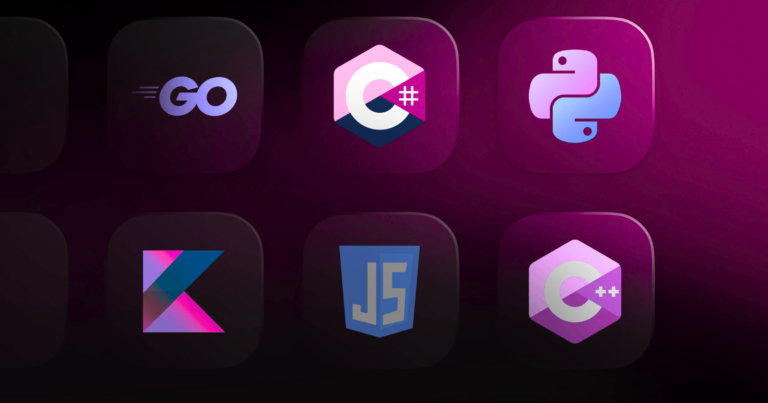
Popular Backend Web Development Languages
I’ve tested a lot of these over time, and certain ones keep coming out on top. Nothing’s flawless, after all.
JavaScript with Node.js: The All-Around Champ
JavaScript was once stuck to the front, but Node.js flipped that script. These days, it’s up there as one of the best backend web development languages for real-time gigs, think chat rooms or live feeds. Node.js lets you run JavaScript server-side, and it shines at juggling a bunch of links without missing a beat.
Features that hook me:
- No waiting around. It handles tasks in the background, keeping everything zippy.
- Same code for both sides cuts down on mental flips for the team.
- Endless add-ons out there. Something like Express.js has you set in no time.
That said, it can choke on big math crunching because it leans single-threaded. I threw it at a video project once, kinda like Netflix’s approach. Businesses love it for growing with microservices, splitting things into bite-sized chunks.
Python: Easy Entry for Newbies
Starting out? Python’s like a friendly guide. The code flows naturally, almost like plain talk, which puts it high on the list of best backend web development languages for whipping up early versions. Django loads you up with the works, from locks to control panels, and Flask stays slim for quick jobs.
Why it works for me:
- Neat lines that are simple to fix and keep going.
- Hooks up great with number-crunching kits. I’ve linked it to Pandas for data-packed pages.
- Spot-on for tossing in smart features or auto-runs.
Yeah, it lags a bit on massive scales next to built-from-scratch options, but Instagram hums along with it just fine. From what I’ve done, if machine smarts are in play, Python’s tools save the day.
Java: Ready for Heavy Lifting
Java’s my pick for big-time operations. It’s tough as nails and has backed banks and huge companies forever. Spring Boot lets you jumpstart tricky builds minus the fluff. Being pre-built, it’s quick and locked down tight.
What stands out:
- Works on any machine, no fuss with setups.
- Manages multiple jobs smoothly, perfect for slammed systems.
- Built-in guards for touchy details.
Sometimes it drags with extra words for basic things. I’ve set up Java for money-handling apps, echoing what Amazon pulls off. When steady beats flashy, this wins.
PHP: Hanging Tough
PHP comes off as vintage, but it fuels so much online. Just look at WordPress. It runs server-side and nails pages that change on the fly with web code.
Why it still clicks:
- Slides into site pages for rapid assembly.
- Laravel brings it current with clean paths and checks.
- Budget-friendly spots to host everywhere.
Watch out for weak spots if the code’s messy, and it’s not the speed demon. Facebook kicked off with PHP, though. For personal sites or content hubs, it’s tough to top for straight-up ease.
Ruby on Rails: Quick Builds All Day
Ruby paired with Rails is built for speed. That whole “stick to standards” vibe means less fiddling, more doing. It ranks as one of the best backend web development languages for new ventures hustling to go live.
Highlights:
- Lines that read smoothly and feel good to craft.
- Plug-ins for just about any trick.
- Auto-checks to snag issues early.
It slows in intense spots, and big firms skip it often. Need fast changes? Try it out.
Go (Golang): Straight and Swift
Google whipped up Go for clean runs, and it’s gaining ground in backend web development languages. Pre-built, basic, and tuned for today’s online storage.
What grabs me:
- Blistering quick starts.
- Easy multi-tasking with its own setup, zero drama.
- Bare-bones style for tidy work.
Add-ons are building up, not overflowing yet. Docker leans on Go, proving its core strength. APIs or back-end services? Spot on.
C# with .NET: Microsoft’s Strong Play
It checks types hard to dodge mistakes.
Top perks:
- ASP.NET nails clean web hooks.
- Syncs smoothly with Azure for expansion.
- Catches goofs before they hit.
Steep climb if Microsoft’s not your thing. Places like Stack Overflow rely on it.
Which One to Pick from What I’ve Learned
There’s no one right answer. I’ve chosen poorly and paid for it. Weigh these:
- Project Size: Tiny site? Go PHP or Python. Major operation? Java or NET.
- Help Out There: JavaScript is full of unlimited advice locations.
- Eye on Tomorrow: Python’s smart tech angle keeps it fresh.
And hey, think about getting seen. Tuning your back end for searches pumps up visits. When it’s time, SEO services experts can fine-tune your setup for top spots.
Closing Thoughts!
In any case, there are web development language backend options. Choosing the best backend web development languages depends on what you want to accomplish, e.g., simplicity, strength, or scaling.
FAQs
- Which is the simplest one to grab?
Python for sure.
- Can I use JavaScript for both front and back end?
You bet, Node.js covers front to back.
- Is PHP still relevant in 2026?
Not even close. Fresh tweaks, still runs tons.
- How do I learn these languages?
Free sites like freeCodeCamp, then hack on personal projects.