Getting your website to rank well on Google takes consistent effort. There’s on-page SEO, which handles everything you do directly on your pages. Think about writing clear content using proper headings, placing keywords thoughtfully, and making sure the page loads fast. Then there’s off-page SEO, which mostly means getting links from other websites. Both are important, but if you want to make your content work harder for rankings, content clusters are a great move.
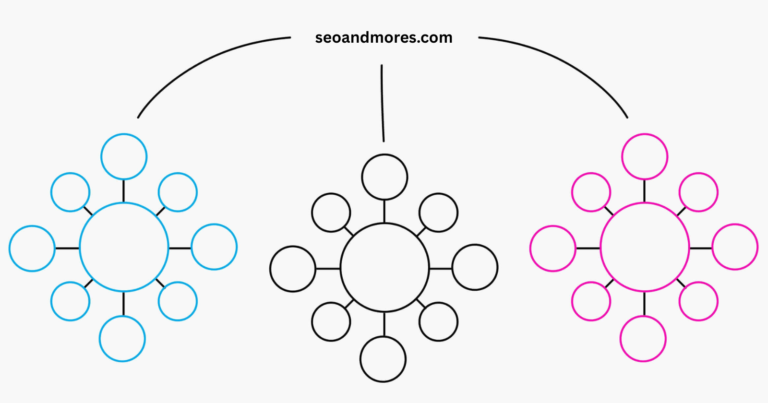
I’ve seen many websites struggle because their posts feel random. One article here, another there, with no real connection. Google notices that. It prefers sites that show real expertise on a subject. This issue is solved by content clusters. One important topic is chosen, and you have one large central pillar page, the big overview, and then you add smaller, detailed cluster pages as you have subtopics. You connect them all with smart internal links. The pillar links out to the clusters, and each cluster links back to the pillar, sometimes to other clusters too.
This idea picked up speed a few years ago, and it still works well today. Search engines focus more on topics and depth now. If your site covers something thoroughly from multiple angles, you look like a reliable source. That helps your on-page SEO a lot. Clusters can organize things better and bring more visitors.
Why On-Page SEO Needs This Kind of Structure
On-page SEO is the part you fully control. Good titles, helpful text, readable formatting, and images with alt text all count. But the real game changer is how well your content answers what people actually search for.
Google has gotten picky. It wants completely useful information, not just keyword matches. Content clusters let you deliver that. You get readers who are able to go through the main page and go to the more detailed explanations without going elsewhere. They also spend a lot of time browsing, and this informs the search engine that it is valuable content. Reduced bouncing rates, increased interaction, and overall more indicators.
Based on the various sites, I have observed that clusters tend to increase the ranking of main keywords as well as specific searches. The tools show the traffic growth over the months. It’s steady, not flashy, but it lasts.
What a Content Cluster Really Is
Picture your site like a well-planned guidebook. The pillar page is the introduction chapter that covers the whole topic at a high level.
The detailed sections are the cluster pages. An exercise on bodyweight may be described, a second exercise may discuss the nutrition to build muscle, and a third one may speak about recovery. All of them are independent, yet each of them is related to the main guide.
The links make the difference. Descriptive anchor text like “see bodyweight exercise examples” from the pillar to a cluster page. Then, from that cluster page, something like “return to the full strength training guide.” It creates a clear path for readers and search bots.
This setup is sometimes called the topic cluster method. It has proven itself because it matches how people learn and how search engines evaluate expertise.
The Main Advantages You Get
People often wonder if clusters are worth the extra work. In most cases, yes. Here are the biggest wins:
- Higher rankings in search results as you address both general and narrow terms on both pillars and clusters.
- More convenient navigation for visitors who can find everything under one roof.
- Better flow of link value in your pages, so new content will be ranked faster.
- Clear topical authority that makes it tougher for others to outrank you.
- Longer-lasting content because updates keep the whole group relevant.
- Simpler planning since you know exactly what to write next.
One site I helped reorganize went from flat traffic to steady monthly increases after switching to clusters. The difference shows up over time.
How Search Engines Understand Clusters
The search bots visit your site and search for patterns. As pages are connected in a logical way, it is easy to follow the trail. The pillar becomes the hub, and the clusters become the supporting details.
Today’s algorithms care about topics, relationships, and user satisfaction. A good cluster shows you have depth. It increases the chances of appearing in rich results or answer boxes, too.
How to Create Your Own
You can start without overcomplicating things.
- It is more important to select a subject that you are familiar with and that will yield good search results. Check Google for related questions to get ideas.
- List out subtopics. Aim for eight to fifteen to begin with.
- Write the pillar page first. Make it long, detailed, and easy to scan with sections and images.
- Build cluster pages next. Give each one real value, not just filler.
- Connect them with internal links. Use helpful anchor text every time.
- Optimize the basics like titles, descriptions, and mobile view.
- Refresh content periodically to keep it current.
- Watch performance in analytics and the search console.
Pick one topic and test it. You’ll learn fast.
Examples from Sites That Do It Well
Big names use this approach. Marketing sites have huge pillars on things like email campaigns, linking to dozens of detailed articles.
The health resources group organizes the information on the conditions around the primary overviews and groups about the treatment, lifestyle changes, and prevention.
Online stores do it with product guides. A main page on “choosing running shoes” linking to reviews of specific types and fit advice.
Final Thoughts on Using Content Clusters
Content clusters are one of the most practical ways to level up your on-page SEO right now. They turn disconnected posts into a connected expert resource. Google notices that the depth readers appreciate the flow, and your site gains trust over time.
Pick a topic you care about, build the pillar, add some strong clusters to link everything thoughtfully, and keep it fresh. The upfront work pays off with better visibility, more engaged visitors, and easier future content creation.
I’ve watched this approach turn average sites into strong performers. If your traffic has stalled despite good individual pages, try clusters. It might be the missing piece that gets things moving again.
FAQs
- How many cluster pages should one pillar have?
Start with five to ten solid ones. Some topics support twenty or more. The key is quality and relevance, not just hitting a number.
- How long before clusters improve rankings?
Engagement often rises in a few weeks, but meaningful ranking changes usually take three to six months. Google recrawls, evaluates, and adjusts over time. Consistent additions speed it up.
- Can the pillar and cluster pages target the same keywords?
It’s better to avoid that. Maintain the pillar as being more general and have clusters do more narrow long tail searches. This avoids any overlapping and reaches a greater area.