Businesses these days sink or swim based on how well they show up online. Digital marketing is the rocket fuel behind growth, visibility, and actual sales for companies big and small. If you’ve been Googling “how to get into digital marketing,” you’re already ahead of most people. This field is exploding, it’s wide open to newcomers, and the best part? You don’t need a fancy degree or years of experience to make it work.
The cool thing about digital marketing is that it cares way more about what you can actually do than any piece of paper. Curiosity, creativity, and just showing up consistently beat credentials every time. Whether you’re fresh out of school, switching careers, or starting from zero, you can carve out a strong spot here.
What’s Digital Marketing, and Why Should You Consider It?
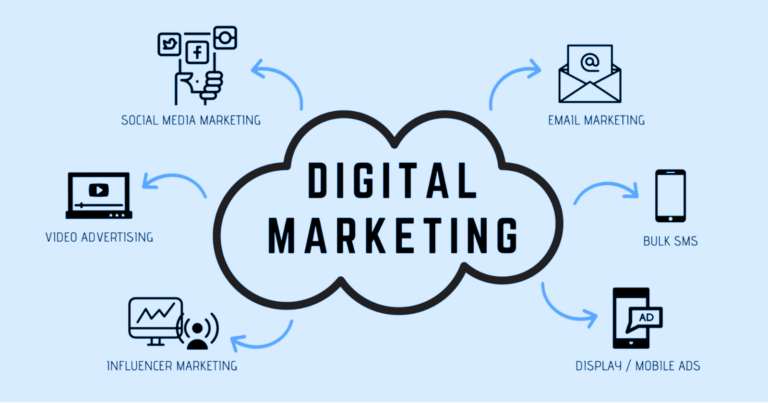
It’s basically any marketing that happens online or on devices. Companies use search engines, social platforms, email, and their websites to reach people who might buy from them.
The main pieces are:
- SEO (getting found on Google)
- Paid ads (like Google Ads or Facebook Ads)
- Social media
- Content (blogs, videos, etc.)
- Email campaigns
- Affiliate marketing
- Analytics (tracking what works)
- Conversion optimization
People who know these fields are in demand. Digital ad spending worldwide is supposed to hit over $870 billion by 2027. Companies desperately need employees who can handle platforms, read data, and run campaigns that actually make money.
Why pick this career?
- Jobs everywhere and decent starting pay ($45k to $65k entry level, climbs fast)
- Tons of remote and flexible gigs
- It never gets boring. Always new tools and tricks
- A mix of creative and numerical work
- Way easier to break in than most fields
Do You Really Need a Degree?
People always ask if you can figure out how to get into digital marketing without a degree. Straight up: no, you don’t.
This isn’t like becoming a doctor or lawyer. It’s all about skills. Hiring managers want proof you can get results, not a diploma. Tons of top marketers taught themselves everything. Big players like Google, HubSpot, and Meta give out free certifications that look great on your profile.
A degree in marketing or business can help lay the groundwork, sure. But it’s not required. I’ve seen people switch from teaching, retail, writing, and design by just picking up the right skills and showing they deliver.
Skills You’ll Actually Need
Focus on a combination of tech information, creative work, and number-crunching.
- SEO Basics: Follow the formula of Google ranking: keywords, page optimization, technical solutions, and linking.
- Social Media: Know how to use big platforms (Instagram, LinkedIn, TikTok, YouTube, X). Planning posts, involving individuals, paid operations.
- Content: Write a headline that attracts attention, create straightforward graphics, and write stories that people can be interested in.
- Analytics: Google Analytics 4, Search Console, platform dashboards: monitor what is going right, and improve what is not.
- Email: Tools like Mailchimp or Klaviyo. Build lists, segment audiences, and set up automations.
- Design Basics: Canva or even Photoshop/Figma to whip up quick visuals.
- People Skills: Communication, adapting fast, staying curious, solving problems on the fly.
How to Learn From Zero
The good news is that everything you need is online, mostly for free.
Free things to start:
- Google Skillshop (Ads, Analytics, YouTube certs)
- HubSpot Academy (inbound, content, email)
- Meta Blueprint (Facebook/Instagram ads)
- Semrush Academy
- Moz’s SEO beginner guide
- Copyblogger for writing tips
- YouTube channels like Ahrefs, Neil Patel, and Backlinko
Paid options if you want structure:
- Google’s certificate on Coursera
- Udemy’s big digital marketing channel courses (they go on sale cheaply)
- Digital Marketing Institute certs
- CXL for advanced growth
Pick one or two areas first, like SEO and Analytics, nail them, then add more. Put in 5 to 10 hours a week consistently. That’s what moves the needle.
Breaking In With Zero Experience
This is the part where everyone gets stuck: “Need experience for jobs, need jobs for experience.” Here’s how to smash that loop.
- Do your own projects: Start a blog about something you like and optimize it. Build a basic site on WordPress or Webflow. Run tiny ad campaigns with pocket change. Grow a personal social account.
- Work for free (at first): Help nonprofits, local shops (coffee places, gyms), or friends’ businesses. In return, get testimonials and use the results in your portfolio.
- Freelance sites Upwork, Fiverr, PeoplePerHour: Start with small jobs like writing descriptions, setting up Analytics, planning social posts, or running cheap ads. Charge low to get reviews, then bump rates.
- Internships: Plenty of remote ones out there. Check LinkedIn, Indeed, or local sites.
- Community contributions: Guest post on blogs, help run group social accounts, jump into marketing forums.
Put Together a Killer Portfolio
This is your golden ticket.
Include:
- Case studies showing real numbers (traffic up X%, leads generated, ad return)
- Screenshots of campaigns, dashboards, and calendars
- Links to sites or profiles you’ve worked on
- Certs you’ve earned
- Client quotes
Host it on:
- Your own site (WordPress, Carrd, Webflow)
- Behance or Contently if you’re creative-heavy
- Google Sites (free and easy)
Three strong examples can land you your first paid gig.
Networking and Finding Jobs
This industry runs on connections.
LinkedIn tips:
- Fix your profile with keywords
- Post about what you’re learning and building
- Connect with marketers, comment smart on their posts
- Join groups like Digital Marketing or PPC ones
Other spots:
- Reddit subs (r/digital_marketing, r/PPC, r/SEO)
- Facebook groups (Cult of Copy, Traffic & Copy)
- Discord marketing servers
- Local meetups on Meetup.com
Go to free webinars, virtual events, or X Spaces. When reaching out, give value first: share a useful tip or offer quick help.
What to Do Next
Getting into digital marketing comes down to taking action, not waiting for perfect timing. Figuring out how to get into digital marketing with no experience or without a degree? Same playbook:
- Learn key skills with free resources
- Build projects and help people for free
- Make a portfolio that shows results
- Network and apply intensively
- Keep learning as you go
FAQs
- How long until I can actually get a job or client?
Depends on effort, but lots of people land something in 6 to 12 months if they’re consistent. Hustle 10+ hours a week and network hard.
- Can I really teach myself everything?
Yeah, totally. Most tools are free or cheap, and employers love people who figure shit out on their own. Certs just back it up.
- What’s the smartest first certification?
Google Analytics 4 and Google Ads. Free, respected everywhere, and teaches core things you’ll use daily.
- Is this field okay for introverts?
For sure. Plenty of behind-the-scenes work like strategy, writing, and data. Remote specialist roles fit great if you hate constant meetings.
- What’s a realistic starting pay?
In the US, $45k to $65k for entry jobs varies by location. Freelancers often start $20 to $50/hour and rise quickly.