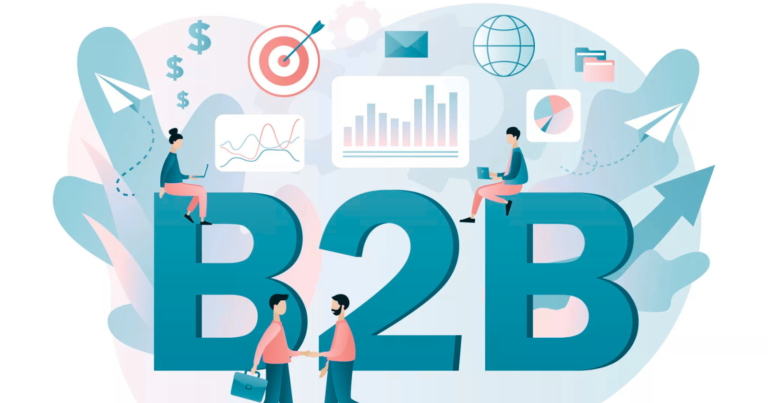
It takes more than a flashy ad to sell software to a large company. These buyers need time to research, think things through, and discuss with their team. B2B content marketing helps in building trust and gently leads businesses toward picking your product.
So, what does B2B content marketing mean? One business produces useful materials, such as articles, videos, or guides, to draw in and engage other businesses. The focus stays on providing value that addresses issues, highlights expertise, and stays top of mind for when they decide to purchase.
B2B sales differ from consumer ones because they involve higher stakes and multiple people in the decision. Buyers often research independently. Quality content supports them without coming across as aggressive.
Why B2B Content Marketing Matters
The way businesses buy has shifted dramatically. Most of the legwork occurs online before any sales conversation. Without visible, helpful content from your company, opportunities slip away.
The benefits of prioritizing B2B content marketing include these points:
- It requires less spending than old-school advertising yet delivers lasting outcomes. A strong guide, once posted, continues attracting attention for years.
- It establishes your brand as an authority. Demonstrating knowledge increases trust.
- It cultivates leads over time. B2B purchases can stretch for months, so regular content maintains interest.
- It boosts natural search visibility. Engines favor relevant, updated material, drawing more visitors organically.
Numerous companies achieve tangible results. Those who blog frequently see higher traffic and inquiries. Case studies illustrate how similar challenges were resolved with products like yours, prompting buyers to envision success for themselves.
Ultimately, B2B content marketing has become essential for thriving amid competition.
How the B2B Content Marketing Funnel Works
The B2B content marketing funnel acts as a guide for converting unknowns into buyers. Different content suits each phase.
Visualize a funnel: broad at the entry, tapering down.
Top of the Funnel (Awareness Stage)
At this point, individuals first recognize a challenge. They hunt for information online.
Suitable content includes:
- Articles tackling widespread issues
- Infographics featuring top statistics
- Brief videos on sector developments
- Social updates with advice
The objective remains to gain visibility and spark recognition.
Middle of the Funnel (Consideration Stage)
Prospects now understand their problem and explore fixes. They weigh alternatives.
Valuable options here:
- In-depth ebooks or reports
- Webinars demonstrating solutions
- Neutral comparison overviews
- Newsletters delivering continuous guidance
This phase heightens curiosity and explains the merits of your methods.
Bottom of the Funnel (Decision Stage)
Decision time arrives. Buyers seek evidence of reliability.
Effective materials:
- Stories from actual clients
- Demonstrations or trial offers
- In-depth quotes or cost breakdowns
- Endorsements from comparable firms
These elements encourage commitment.
Post-purchase, sustain the process with retention pieces like news or special insights. Satisfied clients frequently recommend others.
Aligning content with the B2B content marketing funnel enhances overall impact. You address audiences at their current stage.
How to Prepare Your B2B Content Marketing Strategy
Eager to develop a plan? Begin with the basics.
Understand your target group thoroughly. Identify top influencers. Pinpoint their main concerns. Consult sales staff; they field authentic queries daily.
Define specific objectives. Aim for increased site traffic, superior leads, or revenue tied to content.
Select formats that align:
- Articles for sustained visits
- Videos for interaction (brief clips excel on platforms)
- Audio shows if listeners tune in during travel
- Client narratives to seal agreements
Develop a schedule. Base subjects on buyer searches.
Distribute widely! Use LinkedIn (important for B2B), subscriber emails, or targeted promotions to expand audience.
Evaluate performance. Monitor engagements, distributions, acquisitions, and conversions.
Examples provide motivation. HubSpot delivers free marketing resources via articles and utilities. This attracts companies that eventually subscribe to their services.
Slack employs engaging videos and tales about team efficiency. It connects without overt selling.
McKinsey releases detailed analyses on business shifts. This cements their influence.
Launch modestly, maintain regularity, and refine based on experience.
Latest B2B Content Marketing Trends to Watch
Marketing evolves quickly. As 2026 approaches, certain B2B content marketing trends emerge.
- AI assists significantly. It accelerates idea generation or outlines, but personal flair ensures authenticity. Audiences prefer genuine tones over mechanical ones.
- Customization gains traction. Adapt materials by sector or position. Software simplifies delivering precise items.
- Concise videos dominate. Rapid insights on LinkedIn or YouTube capture focus swiftly.
- Expert opinions expand. Feature distinctive perspectives from your specialists. Audio sessions and online seminars excel.
- Interactive experiences, such as digital gatherings or tools, combine online with tangible links.
- B2B influencers? Absolutely, collaborations with sector figures enhance reputation.
- Proprietary studies differentiate. Polls or datasets circulate extensively.
- Values like sustainability and honest narratives grow in importance. Buyers favor aligned brands.
- Remain adaptable. Experiment with formats and gauge audience preferences.
Best Practices for Strong B2B Content
To maximize returns, adopt these approaches.
- Prioritize utility. Address needs before promotion.
- Employ straightforward language. Professionals value clarity amid busy schedules.
- Incorporate graphics. Diagrams, photos, or footage reinforce messages.
- Enhance for discovery. Integrate terms seamlessly for better findability.
- Reuse cleverly. Convert a seminar into articles, segments, and messages.
- Partner with sales. They identify deal-closing elements.
- Monitor outcomes. Analytics reveal business drivers.
- Avoid traps like producing bland volumes. Or neglecting promotion; unseen quality goes unused.
Exercise patience. B2B timelines extend, but steady work creates drive.
Tools to Make B2B Content Easier
Begin without elaborate equipment.
Affordable choices:
- Canva for visuals
- Google Analytics for metrics
- LinkedIn for dissemination
- Mailing services like Mailchimp
Scale up with search optimizers or management systems.
The top asset? Internal expertise. Gather anecdotes from company pros.
It’s Time to Start Your B2B Content Journey
B2B content marketing offers no instant solution. It provides a reliable path to growth through initial assistance. Disseminate expertise, resolve difficulties, and observe bonds form. Amid clutter, valuable material stands out. It transforms your brand into a dependable ally.
FAQs
- What exactly is B2B content marketing?
Creating and distributing practical resources, like articles, videos, or analyses, to lure businesses, earn trust, and steer them toward purchases.
- How does B2B content marketing differ from B2C?
B2B emphasizes rationale, knowledge, and enduring ties. Groups decide with substantial funds. B2C targets swift, feeling-based individual buys.
- How long until I see results from B2B content marketing?
Results differ, typically 6-12 months for reliable flow and contacts. Regularity accelerates. Certain items yield fast gains.
- What types of content work best in B2B?
Articles, client accounts, online sessions, digital books, and footage lead. Combine teaching and evidentiary elements.
- Do I need a big budget for B2B content marketing?
Not at all. Initiate with articles or platform updates. Excellence trumps expense. Team efforts suffice.
- How can I make my B2B content stand out?
Offer fresh angles, true tales, and facts. Target buyer hurdles. Infuse character; avoid stiff tones.