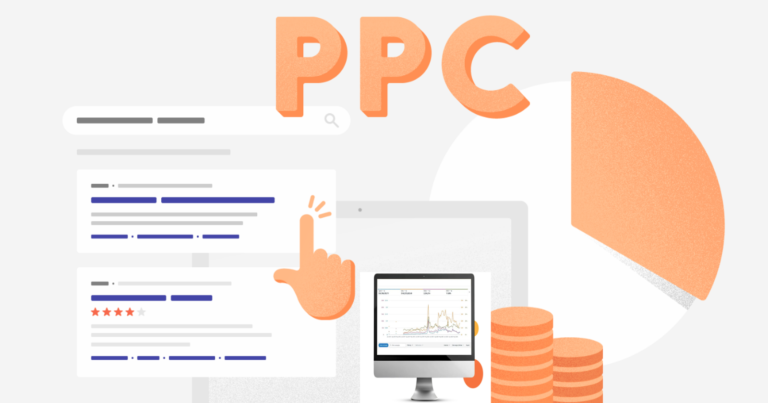
In the industry of online advertising, one term that often comes up is PPC. But what does PPC stand for? PPC stands for Pay-Per-Click, a model where advertisers pay a fee each time someone clicks on their ad. This is the foundation of PPC marketing, a strategy that helps businesses reach their target audience quickly and effectively on search engines and other platforms.
PPC marketing has become a go-to method for companies looking to drive traffic to their websites without waiting for organic search results to build up. It’s especially useful for small businesses and startups that need immediate visibility. In this blog, we’ll break down everything you need to know about PPC marketing in simple terms, from its basics to how it can benefit your business.
What Is PPC in Marketing?
To start, let’s answer a common question: What is PPC in marketing? PPC is an advertising approach where you only pay when a user actually clicks on your ad. This is different from traditional ads, like billboards or TV commercials, where you pay upfront regardless of how many people engage with them.
In PPC marketing, ads appear on search engines like Google or Bing, social media sites like Facebook, or even display networks across the web. When someone searches for a keyword related to your business, like “best coffee shops near me,” your ad might show up at the top of the results. If they click it, you pay a small fee, and they’re directed to your website.
This system is efficient because it focuses on intent. People clicking on ads are often ready to buy or learn more, making PPC marketing a smart way to convert leads into customers. Many businesses turn to a PPC marketing agency to handle the setup and management, as it requires knowledge of bidding strategies and ad optimization.
What Does PPC Mean in Marketing?
So, what does PPC mean in marketing? Beyond the acronym, PPC represents a shift toward performance-based advertising. It means you’re investing in results, not just exposure. Platforms like Google Ads (formerly AdWords) popularized this model, allowing advertisers to bid on keywords and compete in real-time auctions.
For example, if you’re a local bakery, you might bid on terms like “fresh pastries delivery.” The highest bidder with the best ad quality score wins the top spot. Quality score is important here, it’s a rating from the platform based on how relevant your ad is to the search query, your landing page experience, and expected click-through rate.
PPC marketing isn’t just about search engines. It includes display ads, which are visual banners on websites, and remarketing, where ads follow users who visited your site before. This versatility makes it appealing for various industries, from e-commerce to services.
Businesses often partner with a PPC marketing company to navigate these complexities. These companies specialize in creating campaigns that maximize return on investment (ROI) by targeting the right audience and refining ads over time.
How PPC Marketing Works
Let’s simplify how PPC marketing operates. It begins with keyword research. You identify words or phrases that your potential customers use when searching online. Tools like Google’s Keyword Planner help find high-volume, low-competition keywords.
Next, you set up your campaign. This involves writing compelling ad copy, choosing ad formats (text, image, or video), and setting a budget. Daily budgets ensure you don’t overspend, and you can adjust based on performance.
When a user searches, the platform runs an auction. Factors like your bid amount, ad relevance, and landing page quality determine if your ad shows and where. If clicked, you pay the cost-per-click (CPC), which can range from a few cents to several dollars depending on competition.
Tracking is key in PPC marketing. Analytics show which ads perform best, allowing tweaks like pausing underperforming keywords or A/B testing ad variations. This data-driven approach is why many opt for PPC marketing services, they provide expertise in monitoring and optimizing for better results.
Benefits of PPC Marketing
Why choose PPC marketing over other strategies?
- It’s Fast: Unlike SEO, which can take months to see results, PPC ads can go live almost immediately, driving traffic right away.
- It’s Targeted: You can specify demographics, locations, devices, and even times of day. For instance, a restaurant might target lunch-hour searches in its city.
- It’s Measurable: Every click, impression, and conversion is tracked, giving clear insights into what’s working. This helps calculate ROI precisely. If you spend $100 and get $500 in sales, that’s a win.
PPC marketing also complements other efforts. It can boost brand awareness while SEO builds long-term organic traffic. Many successful brands use it for seasonal promotions or product launches.
However, it’s not without challenges. High-competition keywords can be expensive, and poor management leads to wasted budgets. That’s where a social media marketing agency shines, they handle bidding wars and ensure cost-effectiveness.
How to Do PPC Marketing
If you’re new, start small. Choose a platform like Google Ads for search or Facebook Ads for social. Set a modest budget, say $50 a day, and focus on a few keywords.
Create ads that speak directly to the user. Use clear calls-to-action like “Shop Now” or “Learn More.” Your landing page should match the ad. Don’t send users to a generic homepage if the ad promises a specific product.
Monitor and refine. Use conversion tracking to see if clicks lead to sales or sign-ups. Adjust bids, add negative keywords (to avoid irrelevant searches), and test new ideas.
For those overwhelmed, consider PPC marketing services. These professionals conduct audits, manage accounts, and provide reports, freeing you to focus on your business.
Final Words!
PPC stands for Pay-Per-Click, the core of PPC marketing that offers targeted, measurable advertising. By understanding its workings, benefits, and best practices, you can harness it for growth. If needed, a PPC marketing agency, services, or company can provide the support to succeed. Start small, track progress, and watch your business thrive in the digital space.
FAQs
- What is the difference between PPC and SEO?
PPC is paid advertising for quick results, while SEO is organic optimization that takes time but costs less in the long term. Both can work together for maximum visibility.
- How much does PPC marketing cost?
Costs vary by industry and keywords, but you control your budget. Average CPC is $1-2 for many sectors, though competitive ones like insurance can be higher.
- Can small businesses afford PPC marketing?
Yes, with flexible budgets starting as low as $10 a day. Focus on niche keywords to keep costs down and ROI high.
- How do I measure success in PPC marketing?
Key metrics include click-through rate (CTR), conversion rate, cost per acquisition (CPA), and ROI. Use platform analytics for insights.
- Should I hire a PPC marketing agency?
If you’re new or lack time, yes. Agencies bring expertise, saving money by avoiding common mistakes and optimizing campaigns.